Agarwood Incense: The Complete Guide to Oud, King of Incense
Agarwood Incense: The Complete Guide to Oud, King of Incense
For over two thousand years, emperors, monks, and poets have burned agarwood incense to sanctify temples, sharpen meditation, and perfume royal courts. Known as the “Wood of the Gods,” this extraordinary resinous heartwood commands prices that rival gold — a single kilogram of the finest grade can fetch tens of thousands of dollars. Yet most people encountering the term for the first time wonder: what exactly is agarwood incense, and why does it hold such reverence across civilizations?
In this guide, we explore everything from the biology of the Aquilaria tree to the sensory art of burning oud wood incense in your home. Whether you are a seasoned practitioner of incense ceremony or simply curious about the luxury incense collection at Serene Orient, this article gives you the knowledge to appreciate and choose agarwood with confidence.
What Is Agarwood Incense? The Rare Heartwood Behind Oud
The Aquilaria Tree and Resin Formation
Agarwood — also called aloeswood, oud, jinko in Japanese, or found in agarbatti form across India — is the dark, resin-saturated heartwood produced by trees of the genus Aquilaria. The most commercially significant species are Aquilaria malaccensis (native to Malaysia and Indonesia), Aquilaria crassna (found in Vietnam, Cambodia, and Laos), and Aquilaria sinensis (the Chinese agarwood tree, cultivated in Guangdong and Hainan provinces).
Here is the remarkable part: a healthy Aquilaria tree produces no agarwood at all. The precious resin forms only when the tree is wounded — by a fungal infection, a lightning strike, insect boreholes, or physical damage. The tree’s immune system responds by secreting a dense, aromatic oleoresin into the heartwood as a defense mechanism. Over years or even decades, this resin transforms pale, scentless wood into the dark, oil-rich material prized for oud incense sticks, cones, and chips.
Why Agarwood Is So Rare and Precious
Wild Aquilaria trees are now critically endangered. Decades of overharvesting — driven by demand from the Middle East, East Asia, and the global fragrance industry — have decimated natural populations across Southeast Asia. All Aquilaria species are listed under CITES Appendix II, meaning international trade is strictly regulated to prevent further depletion.
Today, sustainable agarwood comes primarily from cultivated plantations where trees are intentionally inoculated with fungal cultures to induce resin production. Cultivated trees typically require seven to fifteen years before harvest, and even then, only a fraction of each tree yields usable resinous wood. This scarcity is precisely why genuine agarwood incense remains one of the most expensive aromatic materials on earth.
The History and Cultural Significance of Agarwood Incense
Buddhism and Hinduism
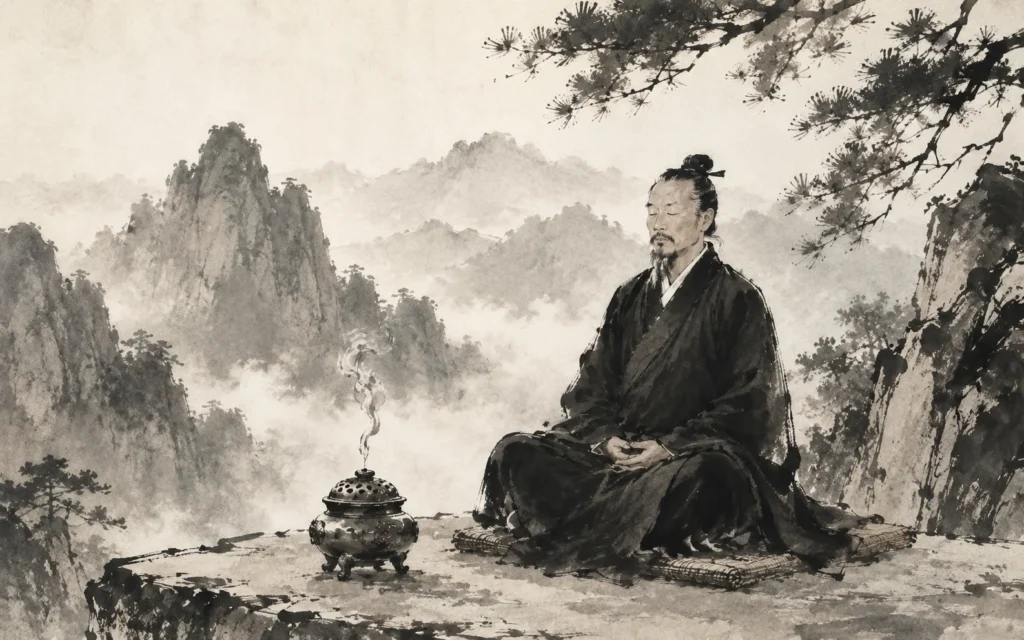
In Buddhist tradition, agarwood is one of the three premier incense materials, alongside sandalwood and clove. Monks in temples across China, Japan, Tibet, and Southeast Asia have burned it during meditation and chanting for centuries. The smoke is believed to purify the environment, calm the mind, and create a bridge between the material and spiritual realms. Hindu temples in India similarly use aloeswood in puja ceremonies, where its grounding aroma is said to carry prayers heavenward.
For a deeper look at how to build a personal incense practice rooted in these traditions, our incense ritual guide offers step-by-step instructions for working with agarwood and other sacred materials.
Oud in Islamic Culture
In the Arabian Peninsula and broader Muslim world, oud wood incense holds profound cultural and religious significance. Burning oud chips — known as bakhoor — is a cornerstone of hospitality, used to welcome guests into homes and majlis gatherings. The Prophet Muhammad is reported to have praised oud as one of the pleasures of this world, and it remains central to Friday prayers and Ramadan observances. The Middle Eastern passion for oud has shaped the modern perfume industry, where oud oil (attar) commands extraordinary prices.
The Japanese Kodo Ceremony
Perhaps no culture has elevated the appreciation of agarwood incense to a finer art than Japan. Kodo (the “Way of Incense”) is a formalized ceremony dating back over four hundred years, in which participants gather to “listen” to fragrant woods rather than simply smell them. In Kodo, the highest grade of agarwood — known as kyara — is heated gently on a mica plate over charcoal, releasing its complex layers of scent without combustion. A single gram of authentic kyara can cost hundreds of dollars, making it one of the rarest olfactory experiences available.
Traditional Chinese Medicine
In Traditional Chinese Medicine (TCM), agarwood — called chen xiang (沉香) — has been used for over a thousand years. It is classified as a warm-natured herb that enters the kidney, spleen, and stomach meridians. TCM practitioners prescribe it for qi regulation, warming the kidneys, relieving asthma, and treating nausea and abdominal pain. Burning agarwood incense in a healing context is believed to harmonize the body’s energetic channels. If you are interested in how elemental theory connects to aromatic healing, our Five Elements page explores these relationships in depth, and the Wu Xing Guide offers a complete overview of the system.
Agarwood Grades and Types: From Kyara to Cultivated Oud
Wild vs. Cultivated Agarwood
The gap between wild and cultivated agarwood is significant in both quality and price. Wild-harvested material from old-growth forests in Vietnam, Cambodia, or Borneo can display extraordinary complexity — layers of sweetness, spice, earthiness, and floral nuance that develop over decades of natural resin accumulation. Prices for premium wild agarwood range from $5,000 to over $100,000 per kilogram depending on grade and origin.
Cultivated agarwood, while generally less complex, offers consistent quality at accessible prices — typically $200 to $2,000 per kilogram. For most agarwood incense enthusiasts, cultivated oud provides an excellent balance of authenticity and affordability.
Regional Origins and Their Scent Profiles
- Vietnamese agarwood (especially from Nha Trang and Phu Quoc): Renowned for its sweet, honeyed character with notes of dried fruit and vanilla. Often considered the finest origin for agarwood incense use.
- Cambodian agarwood: Typically earthier and more animalic, with deep musky undertones and a pronounced woody base.
- Malaysian and Indonesian agarwood: Tends toward green, herbal top notes with a clean, fresh resinous quality. Borneo and Sumatra produce distinctive variants.
- Indian agarwood (Assam): Warm, spicy, and slightly medicinal — the traditional source of oud oil for Middle Eastern perfumery.
Understanding Kyara: The Pinnacle of Agarwood
Kyara represents the absolute highest grade of agarwood material, distinguished by its extraordinary resin density and a scent profile that unfolds across multiple phases. True kyara reveals cool, almost minty top notes, a rich sweet balsamic heart, and a deep, lingering woody base that can persist for hours on the skin or in a room. Japanese incense masters classify kyara into sub-grades based on flavor families: rikoku (sweet), sasora (spicy), shimakou (cool), and kyoukoku (bitter).
Agarwood vs. Sandalwood: Choosing Your Meditation Incense
One of the most common questions enthusiasts ask is how agarwood compares to sandalwood. Both are revered meditation woods, but they occupy very different aromatic territories.
Aroma: Sandalwood delivers a creamy, milky, consistently smooth scent that remains relatively linear from first light to final ash. Agarwood incense is far more complex — its fragrance shifts and evolves, revealing different facets as the resin heats and releases its many aromatic compounds. Where sandalwood is comforting and gentle, agarwood is captivating and layered.
Traditions: Sandalwood is the primary incense wood in Hindu worship and is widely used across Indian and Australian traditions. Agarwood dominates in East Asian Buddhism, Japanese ceremony, and Middle Eastern culture.
Properties: In energetic terms, sandalwood is cooling and calming — ideal for settling anxiety and promoting tranquility. Agarwood incense is warming and grounding — better suited for deepening focus, anchoring presence, and opening spiritual awareness. Those familiar with elemental systems may find our Fire Element article illuminating, as agarwood’s warming nature connects directly to fire energy.
Price: Genuine Mysore sandalwood (Santalum album) has become expensive in its own right, but agarwood incense remains significantly pricier at comparable quality levels.
For a thorough exploration of sandalwood’s own remarkable story, compare with our sandalwood guide — the two woods complement each other beautifully, and many practitioners keep both on hand.
Agarwood Incense Benefits: Meditation, Wellness, and Spirit
Enhancing Meditation and Mindfulness
The primary reason people seek out agarwood incense today is its profound effect on meditative states. The scent profile of high-quality agarwood — with its shifting layers of sweet balsamic warmth, earthy depth, and subtle floral coolness — engages the olfactory system in a way that anchors attention without distraction. Many experienced meditators report that burning agarwood incense before sitting helps them reach deeper states more quickly, as the aroma signals the brain to transition from ordinary consciousness to contemplative awareness. These agarwood incense benefits for meditation are recognized across Buddhist, Hindu, and contemplative Christian traditions alike.
For those exploring how aromatic practice aligns with broader energetic frameworks, our Five Elements Calculator can help you identify which incense types harmonize with your personal elemental balance.
Stress Relief and Emotional Grounding
The complex sesquiterpenes and chromones found in agarwood resin have been studied for their potential anxiolytic (anxiety-reducing) properties. Inhaling agarwood vapor is believed to modulate the nervous system, promoting a state of calm alertness — relaxed but not drowsy. The woody notes and resinous depth create an olfactory cocoon that many find deeply reassuring during stressful periods.
Spiritual Cleansing and Energetic Purification
Across Buddhist, Hindu, Islamic, and Taoist traditions, agarwood incense smoke is used to cleanse spaces of negative energy before ceremonies, prayers, or important gatherings. The practice of fumigating a room with oud incense before meditation or yoga is common in temples and wellness centers throughout Asia and the Middle East. Many practitioners consider the agarwood incense spiritual meaning to center on transformation — just as the Aquilaria tree transforms its wound into something precious, burning agarwood is seen as an act of turning difficulty into wisdom.
Traditional Health Applications
Beyond TCM, agarwood has been used in Ayurvedic medicine, Tibetan medicine, and various Southeast Asian folk traditions. Applications include treating digestive complaints, respiratory conditions, and insomnia. While modern clinical research on these agarwood benefits remains limited, the historical record spanning millennia suggests genuine therapeutic potential.
How to Use Agarwood Incense: A Step-by-Step Guide
For Meditation and Mindful Practice
Choose your form: Agarwood incense comes as sticks, cones, chips (wood pieces), and powder. For meditation, high-quality sticks like our No-Binder Small Cloud Coil Incense offer convenience and consistent burn time. For a more traditional experience, loose chips heated on charcoal provide the purest aroma.
Prepare your space: Open a window slightly for air circulation. Place your incense in a suitable holder — a ruyi lotus incense burner works beautifully for sticks, while a classic ceramic coil incense burner catches ash elegantly and adds visual serenity to your meditation space.
Set your intention: Light the agarwood incense and take three slow breaths. Allow the first wisps of smoke to clear before settling into your practice. The initial combustion note gives way to the true fragrance within thirty seconds.
Burn mindfully: A single stick typically burns for 30 to 45 minutes — ideal for a meditation session. Focus on the evolving scent as part of your awareness practice.
For Daily Ritual and Home Fragrance
Agarwood incense transforms ordinary moments into rituals. Light a stick before journaling, reading, or evening tea. The chinese minimalist incense holder offers a wabi-sabi minimalist aesthetic perfect for daily use on a desk or bedside table.
Consider exploring complementary scents alongside agarwood — natural pine cone incense complement agarwood beautifully in colder months, while our Hand-Rolled Jasmine Incense Sticks blends traditional agarwood with fresh marine notes for a modern interpretation.
For Ceremony and Gathering
When hosting a tea ceremony, yoga session, or contemplative gathering, consider burning agarwood chips on natural charcoal. This method — the same used in Japanese Kodo — releases the fullest spectrum of aromatic compounds without the binders found in stick incense. Place the charcoal in a censer filled with ash, wait until it glows, then lay a thin mica plate on top and set a small chip of agarwood on the plate. The gentle indirect heat coaxes out every nuance over twenty to thirty minutes.
Choosing Quality Agarwood Incense
The market is flooded with synthetic products, so knowing how to identify genuine agarwood incense is essential:
- Scent complexity: Real agarwood incense reveals multiple scent layers over time. If the aroma is flat, one-dimensional, or smells strongly of synthetic perfume, it is likely artificial.
- Smoke quality: Genuine oud incense produces a thin, delicate smoke trail. Thick, acrid smoke often indicates added chemicals or low-quality base materials.
- Burn behavior: High-resin agarwood chips will soften and bead before charring, releasing visible oil. Dyed or infused wood burns dry and crumbles quickly.
- Price reality: If a box of “agarwood” sticks costs less than $15, the product almost certainly contains synthetic oud fragrance rather than genuine resin. Quality agarwood incense sticks typically start around $25 to $40 for a tube of 20 to 40 sticks.
Look for vendors who disclose the origin of their agarwood, whether wild-harvested or cultivated, and who demonstrate knowledge of their supply chain. Our About page explains Serene Orient’s commitment to sustainably sourced materials, and our incense collection features carefully curated options for every level of experience.
For those seeking the best agarwood incense for beginners, we recommend starting with cultivated Vietnamese or Chinese agarwood sticks — they offer authentic character at approachable prices. As your palate develops, explore wild-origin chips and the subtleties of different regional profiles.
Pair your incense with the right accessories — our incense burners collection includes ceramic, bronze, and bamboo options designed for both function and beauty.
Frequently Asked Questions About Agarwood Incense
What is agarwood incense made of?
Agarwood incense is made from the resinous heartwood of Aquilaria trees that have been infected or wounded, causing them to produce a dark, aromatic resin. The wood is ground, shaped into sticks or cones (often with a natural binder like makko powder), or used as loose chips for direct heating. No synthetic fragrance is needed when the raw material is genuine agarwood.
Is agarwood incense safe to burn at home?
Yes, high-quality natural agarwood incense is safe for home use when burned in a well-ventilated space. Always burn incense in an appropriate holder away from flammable materials, and never leave it unattended. Avoid cheap, mass-produced sticks that may contain synthetic fragrances, chemical binders, or saltpeter (potassium nitrate), which can produce harmful byproducts.
How does agarwood compare to sandalwood for meditation?
Agarwood incense is warming, grounding, and scent-complex — ideal for deepening focus and anchoring awareness. Sandalwood is cooling, calming, and more linear — excellent for reducing anxiety and promoting gentle tranquility. Many practitioners alternate between the two depending on their intention. Read our sandalwood guide for a full comparison, and consider trying Pocket Incense alongside your agarwood practice.
Why is agarwood incense so expensive?
Agarwood incense commands a high price due to three factors: extreme rarity (wild Aquilaria trees are endangered and CITES-regulated), the long time required for resin formation (years to decades in the wild, seven to fifteen years in cultivation), and the labor-intensive harvesting process. Only a small percentage of any tree yields usable resinous wood, making genuine agarwood one of the most costly aromatic products in the world.
What is the spiritual meaning of agarwood incense?
Across Buddhist, Taoist, Islamic, and Hindu traditions, agarwood incense symbolizes transformation and spiritual elevation. The tree’s ability to turn injury into something precious mirrors the spiritual path of turning suffering into wisdom. Burning agarwood incense is widely regarded as an act of purification — clearing negative energy, inviting divine presence, and creating a sacred atmosphere for prayer, meditation, or ceremony. If you follow the Chinese zodiac and want to align your incense practice with yearly energies, our Chinese Zodiac 2026 guide offers personalized recommendations.
Begin Your Agarwood Incense Journey
Agarwood incense is more than a fragrance — it is a living bridge between ancient forest biology, human spirituality, and the quiet art of paying attention. From the misty highlands of Vietnam where Aquilaria trees have been forming resin for centuries to the hushed Kodo rooms of Kyoto where listeners sit in reverent silence, the story of agarwood is a story of patience, rarity, and the profound beauty that emerges from nature’s response to adversity.
Whether you are drawn to agarwood incense for its meditation-enhancing properties, its cultural depth, or simply the pleasure of its extraordinary scent, the journey begins with a single stick and a moment of intention. Explore the full Serene Orient incense collection to find your perfect oud, browse our incense burners for the ideal vessel, and discover how aromatic jewelry can carry the spirit of agarwood with you throughout the day.
The king of incense awaits. All you need to do is light it.
Explore more on the Serene Orient blog and visit our products page for the complete range.
References & Further Reading
- Incense – Wikipedia – Historical and cultural overview of incense across civilizations
- Agarwood – Wikipedia – Scientific and cultural reference on agarwood/oud