
How to Use Incense for Meditation: A Beginner’s Guide
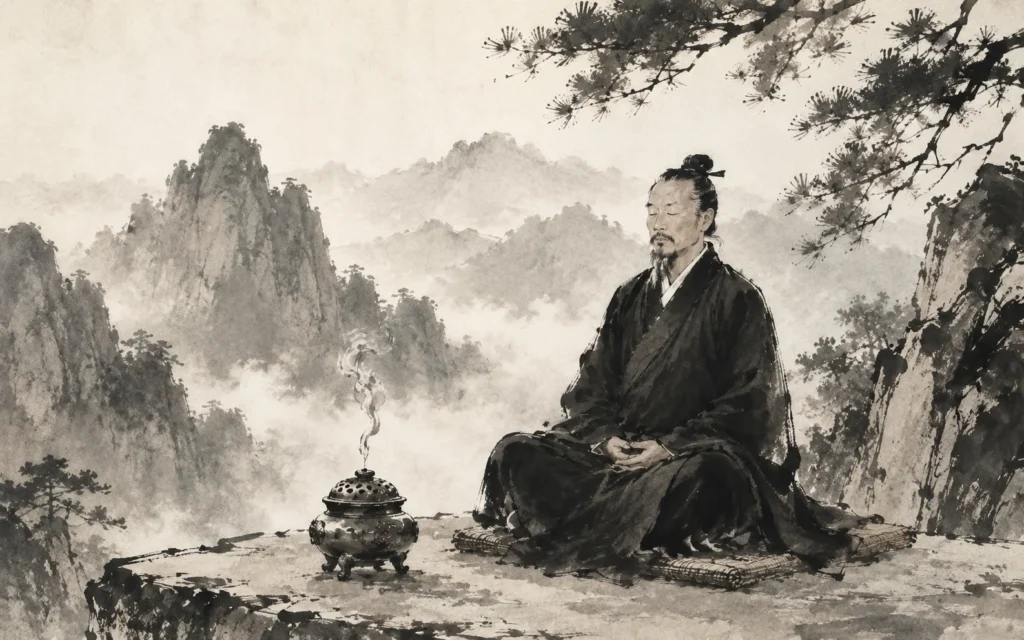
How to Use Incense for Meditation: A Beginner’s Step-by-Step Guide
For thousands of years, incense has been an essential companion to meditation practice. From Buddhist monasteries in Tibet to Taoist temples in China, the rising smoke of carefully blended herbs and resins has helped practitioners quiet the mind, deepen concentration, and create sacred space for inner exploration.
If you’re new to meditation or looking to enhance your existing practice, this guide will show you how to use incense effectively, from choosing the right type to building a sustainable daily ritual.
Why Incense Enhances Meditation
The connection between scent and the mind is direct and powerful. The olfactory system bypasses the logical brain and connects straight to the limbic system, the area responsible for emotion, memory, and arousal. This means that scent can shift your mental state faster than almost any other sensory input.
When you light incense before meditation, several things happen:
Physiological response: Certain scents like sandalwood and lavender trigger the parasympathetic nervous system, lowering heart rate and reducing cortisol levels. Your body physically prepares for stillness.
Psychological anchoring: Over time, your brain associates a specific incense scent with the meditative state. Eventually, simply smelling that scent can trigger a calm, focused mindset within seconds.
Environmental signaling: The act of lighting incense marks a transition from ordinary time to practice time. It tells your mind, “This is a different kind of moment.”
Air purification: Traditional incense ingredients like sandalwood, agarwood, and mugwort have been used for centuries to cleanse spaces of stagnant energy and create a fresh, clear atmosphere.
Choosing the Right Incense for Meditation
Not all incense is created equal. For meditation, you want natural, high-quality incense made from plant materials rather than synthetic fragrances. Here are the best options:
Sandalwood: The Classic Choice
Sandalwood has been the gold standard for meditation incense for over 4,000 years. Its warm, creamy, slightly sweet aroma promotes calm alertness without drowsiness. It’s particularly effective for:
- Beginners who need help quieting a busy mind
- Morning meditation sessions where you want clarity without sleepiness
- Practices focused on compassion and heart-opening
Sandalwood is available in sticks, cones, and powder form. For meditation, sticks are generally preferred because they burn slowly and evenly, providing a steady scent throughout your session.
Agarwood (Oud): The Premium Option
Agarwood, also known as oud or chen xiang in Chinese, is one of the most expensive and revered incense materials in the world. Its scent is complex, deep, and slightly woody with sweet, balsamic undertones. Agarwood is traditionally used for:
- Deep meditation and advanced spiritual practice
- Evening sessions where you want to access deeper states of consciousness
- Practices connected to the Water and Wood elements in the Five Elements system
Because genuine agarwood is rare and expensive, look for reputable sources that guarantee authenticity. Our agarwood incense collection offers carefully sourced options.
Lavender: For Stress Relief
Lavender incense is excellent for meditation focused on stress relief and emotional healing. Its floral, herbaceous scent activates the parasympathetic nervous system and promotes deep relaxation. Best for:
- Evening or bedtime meditation
- Sessions focused on releasing anxiety or tension
- Restorative yoga or yin practices
Frankincense: For Spiritual Connection
Frankincense has been used in spiritual practices across cultures for millennia. Its clean, slightly citrusy, resinous aroma is believed to elevate consciousness and strengthen the connection between mind and spirit. Ideal for:
- Prayer and contemplative practices
- Meditation focused on intention-setting or manifestation
- Creating sacred space before ritual work
Backflow Incense: For Visual Meditation
Backflow incense cones produce a heavy, cascading smoke that flows downward like a waterfall when used with a special burner. This creates a mesmerizing visual element that can serve as a focal point for open-eye meditation. The flowing smoke also symbolizes the Water element, supporting practices related to wisdom, intuition, and emotional flow.
Setting Up Your Meditation Space
A dedicated meditation space doesn’t need to be large or elaborate. What matters is consistency and intention. Here’s how to create one:
Choose Your Location
Find a quiet corner where you won’t be disturbed. It could be a spare room, a corner of your bedroom, or even a closet converted into a meditation nook. The key is that this space is used primarily for practice, so your mind begins to associate it with stillness.
Prepare the Surface
Use a small table, shelf, or floor cushion as your meditation altar. This is where you’ll place your incense burner and any other meaningful objects.
Position Your Incense
Place your incense burner at a comfortable distance, typically 2-3 feet away from where you sit. This allows you to smell the scent without it being overpowering. If using backflow incense, position it where you can see the smoke cascading without straining your neck.
Safety First
- Always use a proper incense burner or holder designed for the type of incense you’re using
- Place the burner on a heat-resistant surface
- Keep away from curtains, papers, and flammable materials
- Never leave burning incense unattended
- Ensure the room has some ventilation (a slightly open window is ideal)
Step-by-Step Meditation with Incense
Here’s a simple practice you can start today:
Step 1: Prepare (2 minutes)
Sit comfortably on a cushion or chair with your spine straight. Close your eyes and take three deep breaths, inhaling through your nose and exhaling through your mouth. This signals your body that practice time has begun.
Step 2: Light the Incense (1 minute)
Open your eyes and light your incense with intention. As you watch the first curl of smoke rise, set a clear intention for your session. This could be as simple as “I am here to be present” or “I release what no longer serves me.”
Step 3: Focus on the Scent (3-5 minutes)
Close your eyes again and bring your attention to the scent. Notice how it enters your nostrils, fills your lungs, and seems to spread through your body. Don’t try to analyze it; simply observe it as an anchor for your attention.
When your mind wanders (and it will), gently bring it back to the scent. This is the practice.
Step 4: Deepen the Practice (10-20 minutes)
Once you feel settled, expand your awareness from the scent to your full experience. Notice your breath, your body sensations, your thoughts, and your emotions. Allow everything to be as it is, without judgment or resistance.
If you lose focus, return to the scent as your anchor.
Step 5: Close (2 minutes)
When your session is complete, take three deep breaths. Slowly open your eyes and observe the incense smoke one more time. Express gratitude for the practice, however brief or long it was.
Building a Daily Incense Ritual
Consistency is more important than duration. A 10-minute daily practice will transform your life more than a 2-hour session once a month. Here’s how to make incense meditation a sustainable habit:
Start Small
Begin with just 5-10 minutes per day. Choose a time that works with your schedule, whether that’s first thing in the morning, during a lunch break, or before bed.
Use the Same Scent
For the first month, use the same type of incense every day. This builds a strong scent-memory association that will help you enter a meditative state more quickly over time.
Track Your Practice
Keep a simple journal noting the date, duration, and how you felt before and after each session. Over weeks and months, you’ll notice patterns and progress.
Vary Your Scents
Once you’ve established a daily habit, experiment with different incense types for different purposes:
- Morning: Sandalwood or citrus for clarity and energy
- Midday: Lavender or chamomile for stress relief
- Evening: Agarwood or frankincense for depth and reflection
Choosing the Right Incense Burner
Your burner affects both the safety and the experience of your practice:
For Sticks
Simple ceramic or wooden holders with a groove to catch ash work well. Choose one with a wide, stable base to prevent tipping.
For Cones
Cone burners should have a raised platform to allow air circulation around the cone. For backflow cones, you’ll need a specialized burner with channels that guide the smoke downward.
For Coils
Coil incense burns for hours and requires a hanging holder or a burner with a coil adapter. These are excellent for longer meditation sessions or retreat-style practice days.
Explore our incense burner collection to find the right holder for your practice.
Common Mistakes to Avoid
Using Synthetic Incense
Cheap, synthetic incense often contains artificial fragrances, charcoal, and chemical binders that can cause headaches and respiratory irritation. Always choose natural incense made from plant materials.
Burning Too Much Incense
One stick or cone is usually sufficient for a 20-30 minute session. Burning multiple sticks simultaneously can overwhelm the senses and cause discomfort.
Poor Ventilation
While you don’t want a draft blowing out your incense, some air circulation is important. Crack a window slightly to allow fresh air to mix with the incense smoke.
Inconsistent Timing
Meditation at random times throughout the day is less effective than a fixed daily practice. Your body and mind respond best to routine.
Our Meditation Incense Collection
At Serene Orient, we offer natural incense carefully crafted for meditation practice:
- Hand-rolled sandalwood sticks: Traditional Indian sandalwood with warm, grounding aroma
- Agarwood meditation cones: Premium oud for deep, contemplative sessions
- Backflow waterfall cones: Mesmerizing visual element for open-eye meditation
- Zen coil incense: Long-burning coils for extended practice sessions
All our incense is made from natural plant materials without synthetic additives, ensuring a clean, authentic experience.
Final Thoughts
Incense is not a magic solution for meditation challenges. It won’t stop your mind from wandering or make difficult emotions disappear. What it does provide is a sensory anchor that gently guides your attention back to the present moment, again and again. That repeated return to awareness is the essence of meditation itself.
Start with one type of incense, commit to a short daily practice, and let the ritual unfold naturally. Over time, you’ll discover that the simple act of lighting incense becomes a powerful signal to your entire being: it’s time to be still.