Incense Burner Guide: How to Choose the Perfect Holder for Sticks, Cones, and Backflow
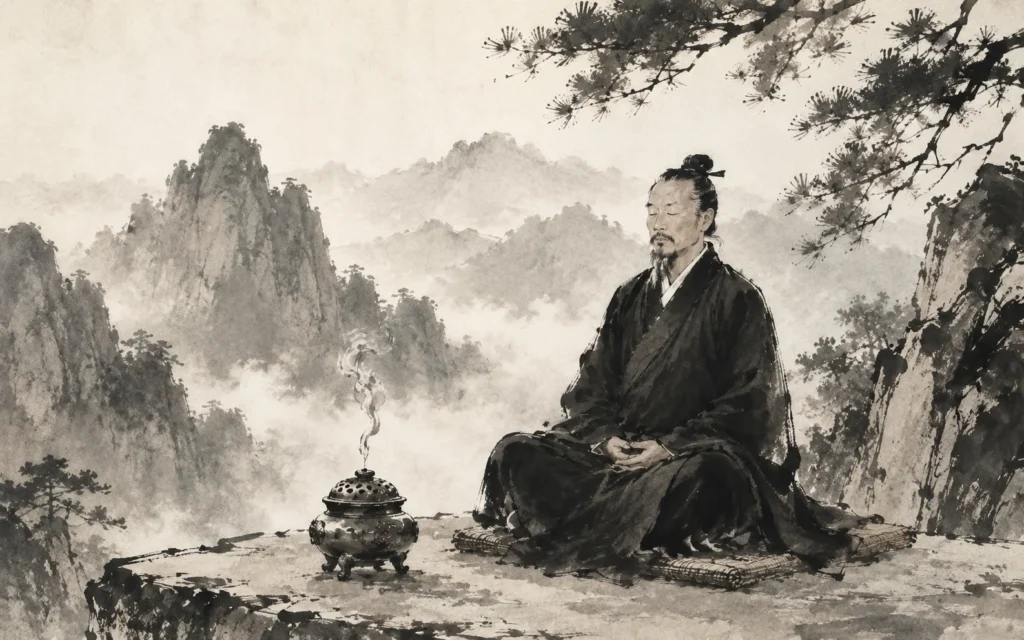
There is a quiet magic in watching a ribbon of smoke curl through the air. For thousands of years, cultures across Asia have used incense as a bridge between the ordinary and the sacred — a way to settle the mind, scent a room, and mark the passage of time. At the center of that ritual sits a humble yet often stunning object: the incense burner.
Today, incense burners have evolved far beyond simple ash trays. They are sculptural centerpieces, conversation starters, and genuine works of art. A hand-glazed ceramic incense holder can anchor a meditation corner, while a backflow incense burner transforms cascading smoke into a living waterfall that draws every eye in the room. The market reflects this shift — the global incense holder market has grown steadily as more people seek wellness-oriented home decor that is as beautiful as it is functional.
Yet with so many styles, materials, and sizes available, choosing the right burner can feel overwhelming. This guide breaks down everything you need to know — from how backflow burners create their mesmerizing effect to which material suits your lifestyle — so you can find a piece that fits your space, your ritual, and your aesthetic.
Ready to explore? Browse the full incense burner collection at Serene Orient anytime, or read on for the deep dive.
—
Understanding Incense Burner Types
Not all incense burners are created equal. The type you choose determines which incense you can burn, how much smoke is produced, and what kind of visual experience you get. Here is a breakdown of the four major categories.
Stick Holders
The incense stick holder is the most recognizable format. A slim groove, a small hole in a stand, or a simple channel carved into a sculpted base — that is all it takes to cradle a burning stick at the correct angle and catch the ash as it falls.
Stick holders are ideal for beginners because they are straightforward: insert stick, light, done. Minimalist designs like a clean-lined Chinese Minimalist Incense Holder or a Japanese Lotus Incense Holder sit low on a table and take up very little visual space, making them perfect for apartments, desks, and bedside tables. Despite their simplicity, many stick holders are crafted with real artistry — hand-carved grooves, glazed ceramic finishes, and subtle symbolism woven into the form.
Best for: Daily use, small spaces, beginners, and anyone who prefers a no-fuss experience.
Coil Incense Burners
Coil incense burners are enclosed or semi-enclosed vessels designed to hold spiral-shaped coil incense. The coil sits on a small fireproof pad or a metal clip inside the burner, and the lid — often pierced with decorative cutouts — allows smoke to escape while containing nearly all the ash.
This design has two big advantages. First, the enclosed chamber makes coil burners safer around pets and children since the ember is shielded. Second, coil incense burns for a long time — typically one to four hours depending on the size — so you get an extended, consistent fragrance without tending to it. Traditional styles like the Temple of Heaven burner or a Cloisonne coil burner double as heritage art objects, with intricate patterns and richly colored enamel work that look striking even when the burner is not in use.
Best for: Long meditation sessions, living rooms, temples, and anyone who wants a contained, low-maintenance burn.
Backflow / Waterfall Burners
A backflow incense burner — sometimes called a waterfall incense burner — is the showstopper of the incense world. These burners use specially designed hollow cones that produce smoke heavier than the surrounding air. Instead of rising, the smoke pours downward through channels carved into the burner’s surface, creating a cascade that looks like flowing water, fog rolling over a mountain, or a miniature cloud waterfall.
The visual effect is genuinely captivating. A Chinese Dragon Waterfall burner sends smoke spiraling around sculpted scales, while a Buddha’s Hand Waterfall design lets the cascade pour gently between open fingers. These pieces tend to be larger and more sculptural, often becoming the focal point of whatever room they occupy.
Backflow burners require backflow cones specifically — regular cones will not produce the downward-flowing effect. We cover the science in detail in the next section and have a full backflow incense guide with cone recommendations.
Best for: Living rooms, yoga studios, gift-giving, and anyone who wants their incense experience to be visual as well as aromatic.
Figurine Burners
Figurine incense burners blend function with personality. A Playful Frog holder perched on a shelf, a Praying Cat with a stick of incense rising like a whisker, an Ingot Rabbit resting on a desk — these pieces are as much decorative objects as they are functional tools.
Figurine burners typically hold sticks or small cones, and their designs range from whimsical to deeply symbolic. A Guanyin holder carries the quiet grace of the bodhisattva of compassion, while a dragon figurine radiates dynamic yang energy. They make excellent gifts because they communicate something personal about the giver’s thoughtfulness.
Best for: Gift-giving, adding character to shelves and desks, collectors, and anyone who wants decor that doubles as a functional burner.
Quick Comparison Table
| Burner Type | Best Incense | Smoke Effect | Best Room |
|---|---|---|---|
| Stick Holder | Hand-rolled sticks, pocket incense | Gentle, rising wisp | Bedroom, office, meditation space |
| Coil Burner | Coil incense, small cloud coils | Slow, steady release | Living room, temple, large space |
| Backflow / Waterfall | Backflow cones only | Dramatic downward cascade | Living room, yoga studio, entryway |
| Figurine Holder | Sticks or small cones | Light, decorative | Desk, shelf, bedside table |
—
How Backflow Incense Burners Work
The first time someone sees a backflow incense burner in action, the reaction is almost always the same: a pause, then “How is the smoke going down?” It looks like it defies physics, but the explanation is elegant.
The Science Behind the Cascade
Normal incense smoke rises because it is hotter — and therefore less dense — than the surrounding air. Hot gas floats upward; this is basic convection. Backflow cones change the equation in two ways:
- Hollow center channel. Backflow cones have a small hole drilled through the middle. As the cone burns, smoke is funneled through this channel rather than diffusing in all directions. This concentrates the smoke stream and reduces its initial upward velocity.
- Denser smoke composition. Backflow cones are formulated with ingredients that produce heavier-than-air smoke particles — often a higher ratio of binding agents and aromatic resins. The result is a thick, cool smoke that, once it exits the channel, is pulled downward by gravity rather than floating up.
- Precise channel design. The grooves should be deep enough to contain and direct smoke without it spilling over the edges randomly.
- Stable base. The burner needs a flat, level surface to sit on. An uneven base tilts the channels and breaks the visual effect.
- Heat-resistant material. Ceramic and glazed porcelain are the gold standard because they handle sustained heat without warping or discoloring.
- Easy cleaning access. Backflow cones leave a tar-like residue over time. Burners with accessible channels are far easier to maintain.
- Incense – Wikipedia – Historical and cultural overview of incense across civilizations
- Agarwood – Wikipedia – Scientific and cultural reference on agarwood/oud
The burner itself plays a critical role. The surface is sculpted with channels, tiers, and ledges that guide the descending smoke into visually interesting patterns — waterfalls, cloud rivers, or spiraling mist. A well-designed burner creates a temperature differential between the burning cone at the top and the cooler ceramic surface below, which reinforces the downward pull.
What Separates a Quality Backflow Burner
Not every backflow burner delivers the same experience. Here is what to look for:
For a complete guide to choosing the right cones and getting the best effect from your burner, read our backflow incense guide.
—
Materials and Craftsmanship
The material of your incense burner affects its durability, appearance, heat resistance, and price. Understanding the options helps you pick a piece that will age well and match your space.
Ceramic and Porcelain
Ceramic incense holders are the most traditional choice, with a lineage stretching back to ancient Chinese kilns. High-fired ceramic and porcelain are naturally heat-resistant, easy to clean, and available in an enormous range of glazes — from matte earth tones to brilliant celadon greens and deep indigo blues.
A glazed ceramic burner resists staining from incense oils and ash, which matters if you burn frequently. Unglazed or partially glazed pieces have a more organic, wabi-sabi aesthetic but absorb residue more readily. Lotus-themed ceramic burners — such as Layered Lotus or Zen Lotus designs — showcase the material beautifully, with hand-painted petals and subtle color gradients that only ceramic glaze can achieve.
Pros: Excellent heat resistance, timeless aesthetic, easy to clean (glazed), collectible.
Cons: Fragile if dropped, heavier than resin, glazed finishes can chip.
Resin
Resin burners are molded from synthetic compounds that can capture extraordinary sculptural detail — individual dragon scales, flowing robes on a figurine, intricate rock formations around a waterfall channel. They are lightweight, affordable, and virtually unbreakable under normal use.
Most backflow burners on the market today are resin because the material allows for the complex three-dimensional shapes that make waterfall effects so dramatic. A Pterosaur Waterfall burner with outstretched wings and textured hide, for instance, would be prohibitively expensive in hand-thrown ceramic.
Pros: Highly detailed sculpting, lightweight, affordable, durable against drops.
Cons: Lower heat resistance than ceramic (use only with cones designed for the burner), can discolor over time with heavy use, less traditional feel.
Metal and Cloisonne
Cloisonne is an ancient enameling technique in which thin metal wires are soldered onto a copper or bronze body to create compartments, which are then filled with powdered glass enamel and fired. The result is a jewel-like surface with vivid color separated by gleaming metal lines.
Cloisonne incense burners are luxury objects. They are durable — the metal body will not shatter — and their craftsmanship makes them collectible. A Cloisonne coil burner, for example, is the kind of piece that gets passed down. Marbled Liuli (glass) coil burners offer a similar sense of material richness, with swirling color patterns suspended in translucent glass.
Pros: Extremely durable, collectible, luxurious appearance, excellent heat resistance.
Cons: Higher price point, heavier, limited to traditional decorative styles.
Mixed Materials
Some of the most interesting burners combine materials — a ceramic lotus set on a wooden base, a resin dragon mounted on a stone platform, or a metal holder with ceramic ash-catching elements. These hybrid designs let artisans play to each material’s strengths: the sculptural freedom of resin, the heat management of ceramic, the grounding weight of stone or wood.
Pros: Best-of-both-worlds functionality, unique aesthetics.
Cons: More joints and seams to clean, material transitions can wear over time.
—
Symbolism in Burner Design
In East Asian traditions, the objects surrounding a ritual are never arbitrary. The motifs carved into an incense burner carry layers of meaning that deepen the experience of using it. Understanding this symbolism helps you choose a piece that resonates on more than a surface level.
Lotus
The lotus incense burner is one of the most iconic designs in Buddhist and Hindu material culture. The lotus grows in muddy water yet blooms pristine above the surface — a metaphor for spiritual awakening rising above the chaos of ordinary life. A Lotus Flat-Base burner or a Ruyi Lotus holder on your altar or meditation table is a visual reminder of that journey.
In feng shui, the lotus is associated with purity of mind and harmonious relationships. Placing a lotus burner in a shared living space is considered a way to invite calm and understanding among household members.
Dragon
The Chinese dragon is fundamentally different from its Western counterpart. Rather than a destructive beast, it represents power, transformation, and yang energy — the active, creative force in the universe. A dragon-themed backflow burner, with smoke curling around its coiled body, visually enacts the idea of energy in motion.
Dragon burners are popular choices for people entering a new chapter — a new home, a new business, a major life change — because the dragon symbolizes the courage and dynamism that transformation requires.
Buddha and Guanyin
Figurines of the Buddha and Guanyin (the bodhisattva of compassion) are among the most revered incense burner designs. A Guanyin holder is not simply decorative; for many practitioners, lighting incense before a Guanyin figure is an act of devotion, a moment of setting intention, or a way to open a meditation session with gratitude.
These burners suit dedicated meditation spaces and home altars. Their presence invites stillness.
Animal Figures
Not every burner needs to carry spiritual weight. Animal figurine burners — a Playful Frog crouched beside a lily pad, an Ingot Rabbit with rounded ears, a Praying Cat with paws together — bring warmth and personality to a space. They connect us to the natural world and remind us that ritual can be lighthearted.
These designs are especially popular as gifts because they can reflect the recipient’s personality or interests without requiring them to share a particular spiritual tradition.
Ruyi Motifs
The Ruyi is a curved decorative object that historically symbolized political authority in Chinese courts. Over time, its meaning broadened to represent the fulfillment of wishes and the attainment of one’s goals. A Ruyi Lotus burner weaves this motif into its form — a subtle, aspirational symbol that pairs well with intention-setting rituals.
For a deeper exploration of how elemental philosophy shapes the objects and rituals around incense, our Five Elements overview explains the connections between fire, earth, metal, water, and wood in everyday practice.
—
Choosing a Burner by Room
The room where you plan to use your burner matters more than most buyers realize. A dramatic waterfall piece that stuns in a spacious living room might overwhelm a small bedroom. Here is a room-by-room guide.
Living Room
The living room is where a statement piece earns its keep. A large backflow incense burner — a Chinese Dragon Waterfall or a Buddha’s Hand Waterfall — placed on a coffee table or console becomes an instant conversation starter. Guests will ask about it. The smoke effect is cinematic enough to be the centerpiece of an evening gathering.
Choose a burner with a stable, broad base that can handle the traffic and activity of a shared space. Ceramic or high-quality resin both work well here.
Meditation Space
For a dedicated meditation corner or yoga room, restraint usually serves better than spectacle. A minimalist zen incense burner — a simple stick holder with clean lines — keeps the visual field calm and lets the scent, rather than the object, do the work. A Lotus Flat-Base or a Zen Lotus holder offers gentle symbolism without visual clutter.
If you do want a backflow burner in a meditation space, choose one with a slower, more subtle cascade rather than a dramatic multi-tier waterfall. The goal is to support focus, not compete with it.
Bedroom
Bedrooms call for small, low-smoke options. A compact stick holder on a nightstand is ideal — it produces a gentle fragrance trail without filling the room with visible smoke. If you are sensitive to smoke while sleeping, consider pairing a minimalist holder with a mild, low-smoke incense variety.
Avoid large backflow burners in bedrooms. The smoke output is substantial and can feel heavy in a small, enclosed sleeping space.
Home Office
A home office benefits from a burner that is functional but unobtrusive. A slim Chinese Minimalist Incense Holder tucked to one side of the desk provides ambient scent without demanding attention. Figurine burners like a Praying Cat or an Ingot Rabbit also work well on a desk — they double as personality-rich desk accessories when not actively burning incense.
Outdoor and Covered Patio
If you burn incense on a covered patio or in a screened porch, size and wind resistance matter. Larger coil burners with enclosed lids handle gentle breezes well, and heavier ceramic or metal burners will not tip in a gust. Avoid backflow burners outdoors — even a slight breeze disperses the carefully channeled smoke and ruins the waterfall effect.
—
Matching Burners to Incense Types
Pairing the right incense with the right burner is essential for both safety and performance. A mismatch can mean poor smoke output, excessive ash, or even a fire hazard.
Stick holders are designed for hand-rolled sticks, bamboo-core sticks, and pocket incense. The groove or hole is sized to hold a standard-diameter stick at a slight angle so ash falls into the channel rather than onto your furniture.
Coil burners accommodate coil incense and small cloud coils. The coil rests on a fireproof pad or hangs from a small metal clip inside the burner. Never burn a coil on an open surface without a proper holder — the entire spiral is an ember.
Backflow burners require backflow cones only. Regular cones will burn upward and produce rising smoke, completely defeating the waterfall design. Backflow cones are specifically formulated to produce heavier-than-air smoke. Always check that your cones are labeled as backflow-compatible.
Figurine holders vary. Some are designed for sticks, others for small cones, and a few accept both. Check the product description for compatibility before purchasing.
For the full range of sticks, cones, and coils, explore our incense collection to find the perfect pairing for your burner.
—
Caring for Your Incense Burner
A well-maintained burner will last for years — and often looks better with age. Here is how to keep yours in top condition.
Cleaning Backflow Burners
Backflow cones leave behind a sticky, tar-like residue in the smoke channels. Over time, this buildup restricts smoke flow and dulls the visual effect. After every 10 to 15 burns, wipe the channels with a soft cloth dampened with warm water and a drop of mild dish soap. For stubborn buildup, a cotton swab dipped in rubbing alcohol dissolves the residue quickly. Avoid abrasive scrubbers on glazed or painted surfaces.
Ash Management for Stick Holders
Empty the ash channel of your stick holder regularly. Accumulated ash can look untidy and may blow onto surrounding surfaces. A small brush or a blast of compressed air clears it efficiently. For holders with deep grooves, tap the holder gently over a trash bin.
Preventing Staining on Ceramic
Glazed ceramic resists stains well, but unglazed areas and the base of the burner can darken over time from incense oils. Place a small ceramic or glass dish under the burner as an extra ash and oil catcher. If staining does occur, a paste of baking soda and water applied gently with a soft cloth will lift most marks.
Seasonal Maintenance
If you store a burner for part of the year, wrap it in a soft cloth and keep it in a dry place. Resin burners can become brittle in extreme cold, and ceramic can crack if exposed to rapid temperature changes. Before the first burn of the season, inspect channels and holes for dust or debris.
For more tips on building a complete incense practice — including how to structure a daily ritual around your burner — our incense ritual guide walks through the process step by step.
—
Incense Burners as Gifts
Few gifts carry as much meaning as an incense burner. It is an object that invites the recipient to slow down, to create a moment of calm, to engage their senses. Unlike consumable gifts that disappear, a well-chosen burner becomes a permanent part of someone’s daily life.
The trick to gifting a burner is matching the design to the person. For someone who loves drama and visual impact, a backflow waterfall burner is unforgettable. For a minimalist, a sleek stick holder in a neutral glaze says more than an ornate piece ever could. And for someone who adores whimsical decor, a frog or cat figurine burner brings a smile every time they see it — whether or not incense is burning.
Pairing a burner with a curated selection of incense turns a single gift into a complete experience. Choose a burner and a complementary incense set for a gift that feels generous, thoughtful, and ready to use the moment it is unwrapped.
Symbolic choices add another layer. A dragon burner for someone starting a new venture. A Guanyin holder for someone navigating a difficult season. A lotus burner for a friend deepening their meditation practice. The meaning embedded in the design transforms the object into a message.
—
Frequently Asked Questions
Can I use regular cones in a backflow burner?
You can physically place a regular cone on a backflow burner, but it will not produce the waterfall effect. Regular cones create lighter-than-air smoke that rises. Only backflow cones generate the heavy smoke needed for the downward cascade. Using regular cones on a backflow burner will look like any ordinary cone burning — no waterfall.
How do I clean a backflow burner?
Wipe the smoke channels with a damp cloth and mild soap after every 10 to 15 uses. For stubborn residue, use a cotton swab with rubbing alcohol. Never submerge a painted or glazed burner in water, and avoid abrasive pads that can scratch the finish.
Are ceramic burners safe on wooden furniture?
Yes, as long as the burner has a flat, stable base and is placed on a heat-resistant surface such as a ceramic tile, a wooden coaster, or a dedicated burner mat. The base of most ceramic burners stays warm but not hot enough to damage wood. However, prolonged direct contact with finished wood can eventually cause discoloration, so a protective barrier is always wise.
What is the best burner for beginners?
A simple incense stick holder is the best starting point. It requires no special incense, produces a manageable amount of smoke, and is easy to clean. Once you are comfortable with stick incense, you can explore coil burners or backflow burners for a different experience.
How long do backflow cones burn?
Most standard backflow cones burn for 15 to 25 minutes. Larger cones can burn for 30 to 45 minutes. Burn time depends on the cone’s size, composition, and the airflow in the room. A still room with minimal drafts will produce the longest, most consistent waterfall effect.
—
Find Your Perfect Incense Burner
Choosing an incense burner is a personal decision that sits at the intersection of function, aesthetics, and meaning. Whether you are drawn to the theatrical beauty of a backflow waterfall, the quiet elegance of a ceramic lotus, or the playful charm of a figurine holder, the right piece will enhance your space and your daily ritual for years to come.
Take your time. Consider the room where the burner will live, the type of incense you enjoy, and the symbolism that speaks to you. And when you are ready, the full incense burner collection at Serene Orient is waiting — each piece chosen for its craftsmanship, its beauty, and its ability to turn an ordinary moment into something worth pausing for.