
The Complete Guide to Chinese Incense Culture
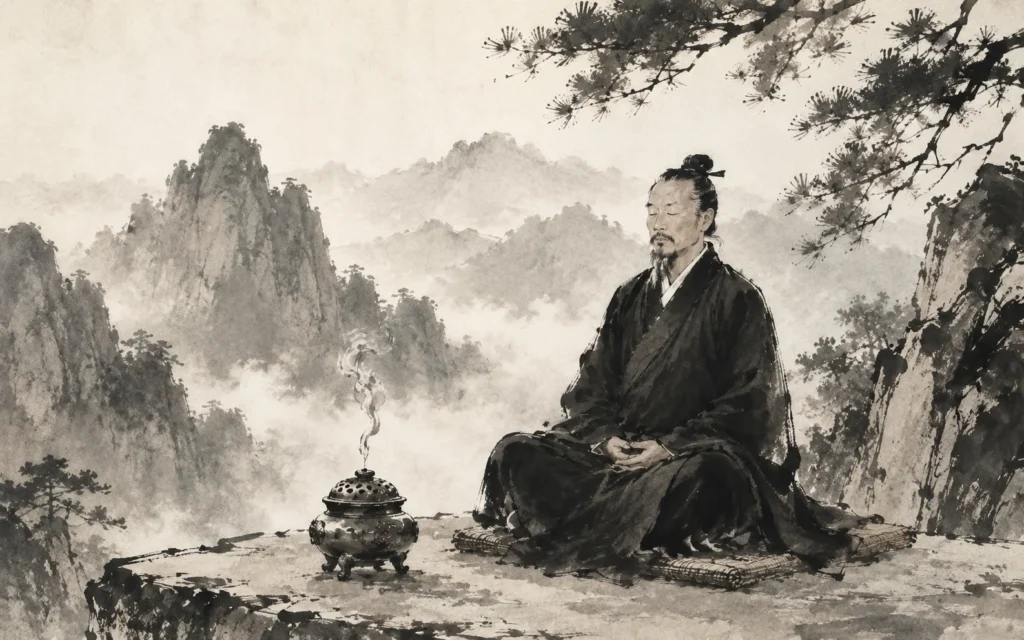
Chinese incense culture spans over 3,000 years of history, weaving together spirituality, medicine, art, and daily ritual. This comprehensive guide explores the rich traditions of Chinese incense making, its philosophical foundations, and practical applications for modern life.
The History of Chinese Incense
The use of incense in China dates back to the Shang Dynasty (1600-1046 BCE), where aromatic plants were burned as offerings to ancestors and deities. By the Han Dynasty (206 BCE – 220 CE), incense had become integral to court ritual, Buddhist practice, and traditional medicine.
According to historical records, the Song Dynasty (960-1279) marked the golden age of incense culture, when scholars and artists elevated incense appreciation to a refined art form alongside tea, painting, and calligraphy.
The Philosophy of Incense
In Chinese tradition, incense is far more than a pleasant fragrance. It serves as:
- A bridge between heaven and earth – The rising smoke carries prayers and intentions upward
- A marker of sacred time – Burning incense creates a boundary between ordinary and spiritual moments
- A medicine for the mind – Specific aromatics calm, focus, or energize according to traditional principles
- An expression of refinement – The literati used incense to cultivate elegance and inner peace
Types of Chinese Incense
1. Stick Incense (线香)
The most common form, made from aromatic powders bound with natural adhesives. Quality stick incense uses pure ingredients without synthetic fragrances.
2. Coil Incense (盘香)
Spiral-shaped incense that burns slowly, ideal for extended meditation sessions or creating ambient fragrance in living spaces.
3. Incense Cones (塔香)
Cone-shaped incense that burns quickly with intense fragrance, suitable for brief rituals or when you want immediate aromatic impact.
4. Raw Incense Materials (香材)
Pure aromatic woods, resins, and herbs burned on charcoal discs. This traditional method allows for the most authentic and nuanced fragrance experience.
5. Electronic Incense (电子熏香)
Modern devices that heat incense materials without combustion, preserving delicate aromatics while eliminating smoke.
Our Chinese Incense collection features traditionally crafted options across all these categories.
Key Incense Ingredients
| Ingredient | Chinese Name | Aroma Profile | Traditional Use |
|---|---|---|---|
| Sandalwood | 檀香 | Warm, woody, sweet | Meditation, calming, spiritual practice |
| Agarwood (Oud) | 沉香 | Complex, rich, balsamic | Highest grade, spiritual elevation, medicine |
| Cinnamon | 肉桂 | Spicy, warming, sweet | Energizing, yang enhancement |
| Star Anise | 八角 | Sweet, licorice-like | Grounding, protective rituals |
| Camphor | 樟脑 | Cool, penetrating | Cleansing, clearing energy |
| Frankincense | 乳香 | Resinous, citrusy | Purification, prayer, meditation |
How to Choose Quality Incense
Not all incense is created equal. Here’s what to look for:
Signs of Quality
- Natural ingredients – No synthetic fragrances or “perfume oil” listed
- Subtle, complex aroma – Natural incense evolves as it burns; synthetic scents are flat and overpowering
- Minimal smoke – Quality incense produces fragrant smoke that doesn’t irritate eyes or lungs
- Smooth burn – Even burning without sputtering or going out frequently
- pleasant after-smell – The lingering fragrance should be gentle and enjoyable
Red Flags
- Extremely cheap price (natural ingredients cost more)
- Overpowering, headache-inducing fragrance
- Bright, unnatural colors (green, pink, neon)
- Ingredients listed as “fragrance” or “parfum”
Incense for Meditation
Different meditation practices benefit from different incense:
For Calming Meditation
Recommended: Sandalwood, lotus, lavender, or chamomile incense. These aromatics calm the nervous system and promote inner stillness.
For Focus & Concentration
Recommended: Agarwood, cedar, or pine. These grounding scents sharpen awareness without overstimulating.
For Energizing Practice
Recommended: Cinnamon, clove, or citrus-based blends. These warming aromatics invigorate and uplift.
Our incense burners are designed to complement these practices, with materials and shapes that harmonize with elemental energies.
Incense in Feng Shui
Burning incense is a powerful Feng Shui practice that:
- Purifies space – Clears stagnant or negative qi from rooms
- Activates energy – Stimulates the flow of beneficial qi
- Creates sacred atmosphere – Establishes a contemplative environment
- Supports specific intentions – Different incense for wealth, health, relationships, etc.
For Feng Shui purposes, burn incense in the center of your space (Earth element) for grounding, or in the south (Fire element) for recognition and fame.
How to Burn Incense Properly
- Choose a heat-resistant holder – Use a proper incense burner with ash collection
- Ventilate the space – Open a window slightly; incense needs oxygen to burn and you don’t want smoke accumulation
- Light the tip – Hold flame to the tip until it glows, then blow out the flame
- Let it smolder – The fragrant smoke should rise steadily; if there’s no smoke, the incense isn’t burning properly
- Place safely – Away from drafts, flammable materials, and out of reach of children/pets
- Enjoy mindfully – Watch the smoke, breathe the fragrance, be present
Safety Considerations
- Never leave burning incense unattended
- Keep away from curtains, papers, and flammable materials
- Use on a stable, heat-resistant surface
- Ensure adequate ventilation to prevent smoke buildup
- If you have respiratory conditions, consult a doctor before regular use
Conclusion: The Living Tradition
Chinese incense culture is not a relic of the past – it’s a living tradition that continues to enrich modern life. Whether you’re seeking spiritual depth, mental clarity, or simply a moment of peace in a busy world, the ancient art of incense offers a pathway.
Explore our Chinese Incense collection and discover how this timeless practice can transform your daily ritual.
About the Author: Written by the Serene Orient team with consultation from traditional incense artisans and cultural scholars.
References: